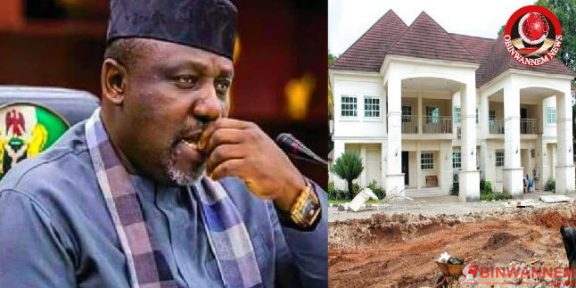


Nyesom Wike’s Power Moves: Hero or Villain in Nigerian Politics?
In the vibrant yet tumultuous landscape of Nigerian politics, few figures have sparked as much debate as Nyesom Wike, the former governor of Rivers State. His recent political maneuvers have elicited strong reactions from various quarters, leading many to ponder: is Wike a hero for his bold actions or a villain with ambitions that threaten the political fabric of the nation?
As a seasoned politician, Wike has established himself as a force to be reckoned with. His tenure as governor was characterized by infrastructural development, aggressive political strategies, and unwavering loyalty to his party. Yet, it is his recent decisions that have propelled him into the spotlight, especially his open criticisms and shifts in allegiance within the political framework of Nigeria. On the one hand, supporters laud Wike for his courage to stand up to powerful interests and challenge the status quo. His fervent approach to governance and commitment to the people of Rivers State won him accolades and loyalty among many citizens.
However, his critics have painted him as an opportunist whose ambitions may endanger democratic values. Wike’s controversial approach, particularly while aligning himself with political heavyweights and navigating complex party dynamics, raises questions about his motivations. Is he working towards a greater good for Nigeria, or is he simply promoting his political agenda by leveraging alliances to secure personal gain and influence?
Wike’s role in the outcome of the 2023 general elections was pivotal. His support for Atiku Abubakar, the presidential candidate of the People’s Democratic Party (PDP), and subsequent fallout with the party leadership showcased the intricate dance of alliances in Nigerian politics. After the party lost, Wike’s vocal criticisms and eventual shift towards the ruling All Progressives Congress (APC) was perceived by many as a betrayal. His actions have forced individuals to reconsider what loyalty means in politics.
Moreover, Wike’s power moves have revitalized discussions about regional politics. His assertive stance for South-South representation and the rights of his people resonated with many who feel marginalized in the national dialogue. The paradox of Wike lies in his duality; while he portrays himself as a champion of his people, his tactics often suggest a more self-serving agenda. This duality he showcases has polarized opinions, earning him both staunch supporters and fervent detractors.
In a nation grappling with issues ranging from corruption to social unrest, the role of influential figures like Wike cannot be underestimated. With political power often translating to economic leverage, state governors wield significant influence over development and public resource allocation. Wike’s maneuvers, filled with rhetoric about progress and accountability, leave many questioning the underlying intentions and potential repercussions on Nigeria’s future.
In conclusion, whether Nyesom Wike is seen as a hero or villain largely depends on one’s perspective on political strategy, loyalty, and the broader implications of his actions on the democratic landscape of Nigeria. As the political landscape continues to evolve, Wike’s legacy remains intertwined with the current chapter of Nigeria’s complex political narrative, ensuring that his impact will be felt for years to come. The dialogue around his leadership style ultimately reflects the broader struggles inherent in Nigerian politics, forcing citizens to grapple with the question: what kind of leadership does Nigeria truly need?